
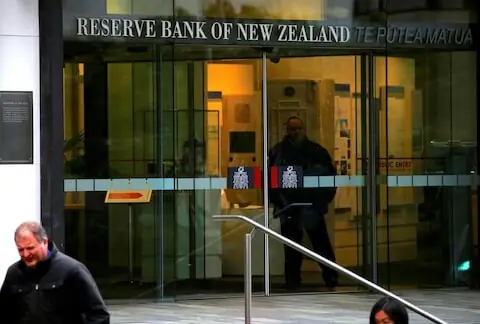
 New Zealand’s central bank has warned that persistent increases in global oil prices could create additional inflationary pressure and pose risks to the country’s economic recovery.
Reserve Bank of New Zealand Governor Anna Breman said that if recent increases in oil prices continue, inflation in the near term could be somewhat higher than previously forecast. The warning comes as global energy markets remain under pressure.
Higher oil prices can affect the wider economy because fuel is an important cost for households and businesses. More expensive fuel can increase transportation and production costs, which may eventually push up prices for goods and services.
Despite these risks, the central bank expects New Zealand’s economic recovery to strengthen and become broader. Exports and a gradual increase in household spending are expected to provide support to economic activity.
The Reserve Bank recently raised its main cash rate by 25 basis points to 2.75% at its September policy meeting. The move was part of efforts to manage inflation while supporting a sustainable economic recovery.
The central bank expects consumer price inflation to ease slightly to 3.9% in the September quarter, compared with 4.1% in the previous quarter. However, officials remain concerned that persistent energy costs could make inflation more difficult to bring down.
The Reserve Bank has said that inflation rose partly because of higher fuel prices linked to the conflict in the Middle East. It expects inflation to eventually move back toward its 2% target, although the timing will depend on oil prices and other economic conditions.
Longer-term interest rates have also increased, adding to the challenging economic environment. Higher borrowing costs can affect households and businesses by making loans and investment more expensive.
The central bank is therefore closely monitoring economic data, global developments, oil prices and inflation expectations before making its next policy decision.
The Reserve Bank’s next scheduled policy meeting is on October 28. Officials have indicated that future interest-rate decisions will depend on how inflation and the wider economy develop rather than following a predetermined path.
For New Zealand, the key issue is balancing two competing pressures: supporting an economic recovery while preventing temporary increases in fuel and other costs from becoming persistent inflation.
The latest warning does not mean that New Zealand’s economy is heading for a downturn. Instead, it highlights the uncertainty surrounding the recovery and the potential impact of continued global oil-price increases on inflation.