
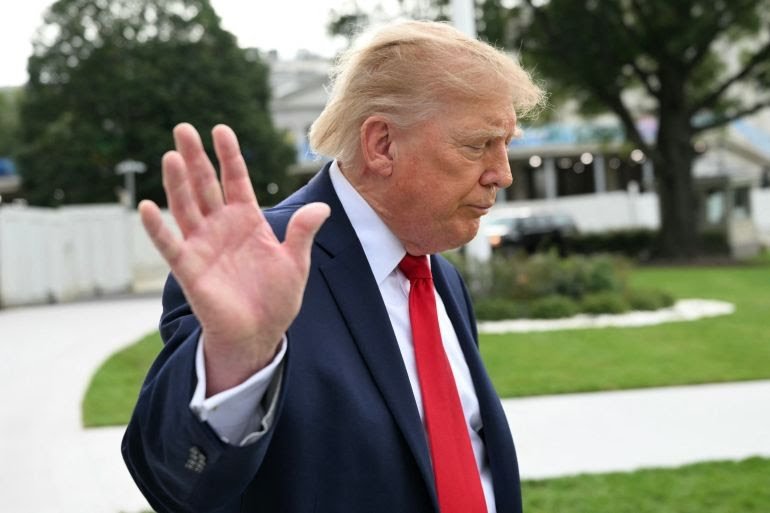
 US President Donald Trump has rejected a proposal from Iran aimed at reopening the Strait of Hormuz and restarting negotiations to end the ongoing conflict between Washington and Tehran.
Iran had presented a seven-day roadmap through mediators, offering to restore normal maritime traffic through the strategically important waterway if the United States met a number of conditions.
Under the proposal, Washington would lift its naval blockade of Iranian ports, ease sanctions on Iranian oil sales, release an estimated $12 billion in frozen Iranian assets and observe a wider ceasefire covering regional areas including Lebanon and Yemen. Iran would then reopen the Strait of Hormuz and begin negotiations on a broader agreement.
Trump told reporters that he rejected the proposal, saying the agreement offered by Tehran was not acceptable. Iranian Foreign Minister Abbas Araghchi later said Iran had seen Trump's initial reaction but was still waiting for an official response through mediators.
The Strait of Hormuz has become a central issue in the conflict because of its importance to international energy shipments. Disruptions in the waterway have affected commercial shipping and raised concerns about the wider economic consequences of the confrontation.
The disagreement also reflects a broader dispute over which side should make the first concessions. Analysts cited by Al Jazeera said the US administration appears to believe continued economic and military pressure could lead Iran to accept additional terms, while Iranian officials maintain that negotiations should follow the lifting of certain restrictions.
Despite Trump's rejection of the current proposal, both sides have continued to indicate that diplomacy remains possible. Qatar, Oman and other mediators have been involved in efforts to pass messages between Washington and Tehran.
Iranian officials have said they remain committed to their stated conditions, while the US position continues to focus on obtaining a broader agreement. The two sides therefore remain divided over the terms and sequence of any potential ceasefire or diplomatic settlement.
For now, the dispute over the Strait of Hormuz remains unresolved, while diplomatic efforts continue alongside ongoing tensions in the region.