
 The United States and Iran remain divided over a possible agreement to end the ongoing conflict, with Washington rejecting an Iranian proposal that included steps to reopen the Strait of Hormuz and resume diplomatic negotiations.
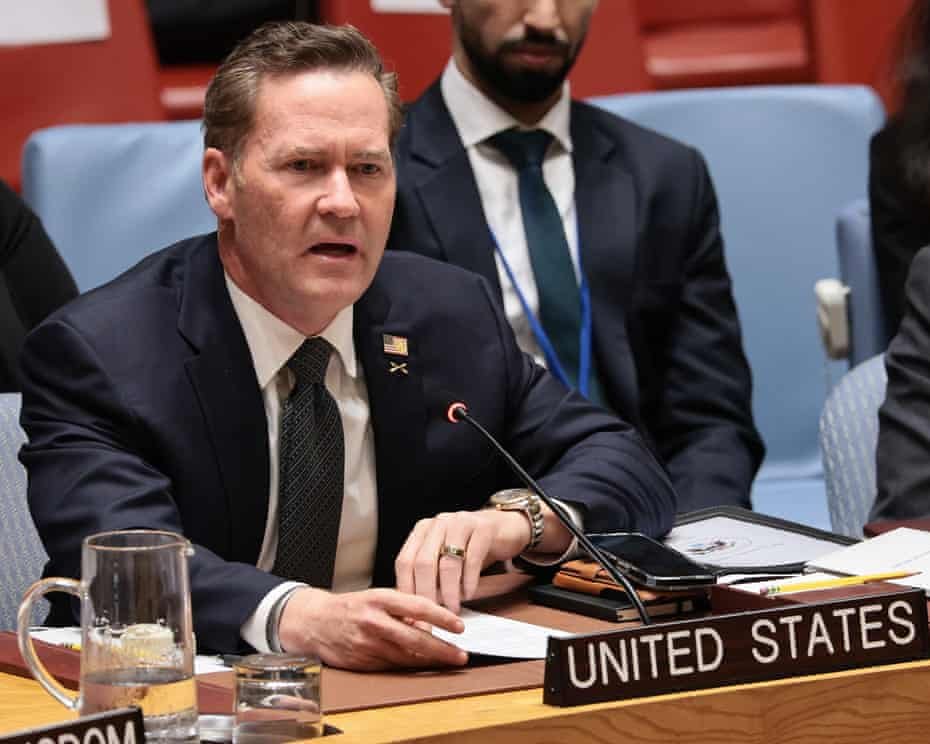
US Ambassador to the United Nations Mike Waltz said the Trump administration rejected Iran’s proposal because Iranian negotiators were seeking major concessions before committing to broader talks. He said Washington was not convinced that Tehran was prepared to negotiate seriously over the future of its nuclear programme.
Iran had proposed a seven-day roadmap under which the Strait of Hormuz could be reopened and negotiations over its nuclear programme restarted. The proposal called for the United States to ease certain sanctions, lift its naval blockade of Iranian ports and allow access to some frozen Iranian assets.
Under the proposed timeline, initial steps would take several days, followed by the reopening of the strategically important waterway. Nuclear negotiations would then begin, including discussions about international inspections and Iran’s nuclear activities.
The Strait of Hormuz is a major international shipping route and an important pathway for global energy supplies. Continued disruption in the area has raised concerns about oil shipments, shipping costs and wider economic effects.
Iranian Foreign Minister Abbas Araghchi said Tehran still supports diplomacy but warned that reopening the strait would depend on its conditions being met. He also said Iran remained prepared to resume fighting if military action continued.
Iranian President Masoud Pezeshkian has also said his country is prepared to discuss its nuclear programme but would not accept pressure or coercion. Iranian officials maintain that Iran is not seeking war but will respond to attacks.
The disagreement therefore centres on the sequence of any potential agreement. Iran wants certain sanctions and military measures addressed before reopening the waterway and beginning wider negotiations, while the United States is seeking stronger commitments from Tehran before offering major concessions.
For now, no final peace agreement or ceasefire has been announced. Diplomatic channels remain active, but Washington and Tehran continue to differ over the conditions required to end the conflict and restart formal negotiations.