
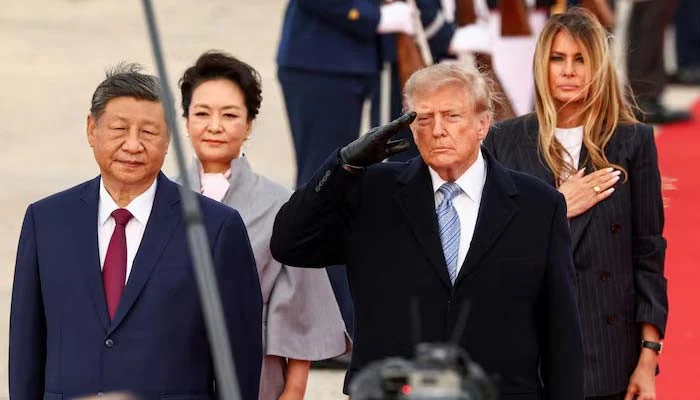
 China and the United States have agreed to extend their trade truce until January 10, 2027, giving both sides additional time to negotiate outstanding economic and trade issues.
China’s Commerce Ministry said the two-month extension would allow Beijing and Washington to review existing arrangements and explore further steps to improve trade relations. The ministry said the extension could also provide businesses with a more stable and predictable policy environment.
The latest agreement includes plans to reduce tariffs on around $60 billion worth of goods traded between the two countries. Each side has identified about $30 billion worth of non-sensitive products that could receive more favorable tariff treatment.
Under the proposed changes, China plans to lower tariffs on several US agricultural products, including corn, wheat, sorghum, meat, dairy products and vegetable oils. Beijing also plans to reduce duties on selected seafood, wood products, cosmetics and medical devices.
The United States, meanwhile, has proposed tariff reductions on a range of Chinese consumer products. These include small household appliances, tableware, blankets, toys, children's car seats and some seasonal decorations.
The two countries also agreed to continue discussions through a new trade council. The forum is expected to focus on economic cooperation, investment opportunities, trade barriers and concerns raised by businesses.
The agreement follows a meeting between Chinese President Xi Jinping and US President Donald Trump in Washington last week. Both governments are seeking to manage tensions while continuing negotiations on broader trade and economic issues.
Beyond tariffs, China and the US are also expected to maintain communication on artificial intelligence safety and hold further discussions on increasing direct flights between the two countries. China has also agreed to examine opportunities for US financial institutions to expand their operations in the Chinese market.
The extension of the trade truce does not represent a permanent settlement of all US-China trade disputes. Instead, it gives both governments more time to negotiate while reducing the immediate risk of another escalation in tariffs.