
Under the new measures, fuel allocations for official government vehicles will be reduced by 50% for a period of three months. The decision was approved as part of a broader plan to conserve fuel and control unnecessary public expenditure.
Operational vehicles used by the Armed Forces, Civil Armed Forces, law enforcement agencies and essential services will remain exempt from the fuel reduction. However, administrative and non-operational vehicles within these organisations will not receive the same exemption.
The government has also approved a 5% reduction in the Non-ERE Budget for the current fiscal year. In addition, the purchase of new government vehicles has been completely prohibited, while the procurement of durable goods has also been restricted, with IT-related purchases exempted.
Foreign visits and official travel have been banned for three months, subject to specific exemptions. Where overseas travel is considered unavoidable, ministers, advisers, special assistants, parliamentarians and government officials will be required to travel in economy class.
The government has also encouraged ministries and departments to conduct meetings through video and teleconferencing wherever possible. Official dinners have been restricted, except for essential events hosted for visiting foreign delegations. Government-funded seminars, training programmes and conferences have also been restricted, with unavoidable events directed to use government-owned venues.
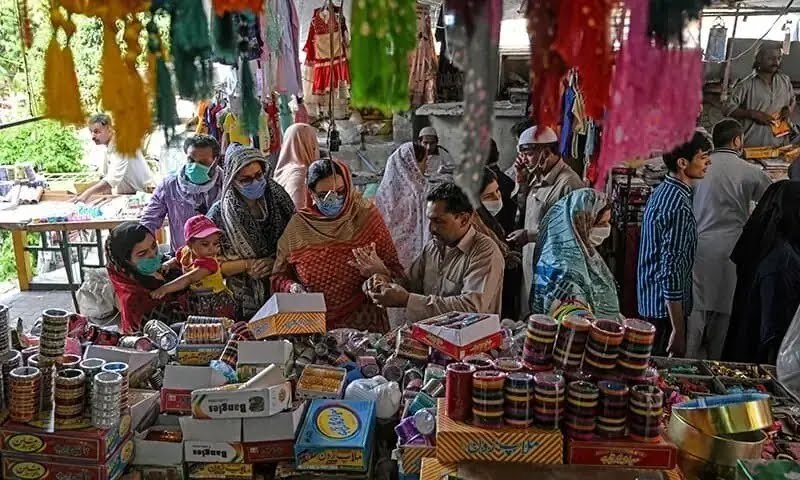
The austerity drive also affects business operating hours. Shops, markets, shopping malls, bazaars and general and grocery stores are required to close by 9pm. Marriage halls and similar event venues will close by 10pm, while restaurants, cafés, eateries and standalone fruit and vegetable shops can operate until 11pm. Takeaway and home-delivery services are exempt from the restaurant closing restriction.
Essential services, including pharmacies, hospitals, clinics, laboratories, bakeries, fuel stations, CNG stations, electric vehicle charging facilities, gyms, sports facilities, IT companies and call centres, remain exempt from the specified closing-time restrictions.
The government says the measures are aimed at conserving fuel, reducing unnecessary expenditure and managing the economic pressure created by higher international petroleum prices amid continuing tensions in the Middle East. Provincial and regional governments have also been asked to consider adopting similar fuel conservation and austerity measures.
The latest measures are expected to place greater emphasis on government spending controls and fuel efficiency while the authorities monitor developments in international energy markets.